
Reflection on the Where are the Women and Girls Symposium – University of Cambridge (25th March)

On 25 March, I attended the Where are the Women and Girls Symposium at the University of Cambridge in my capacity as a Residential Worker in a female Approved Premises (AP).
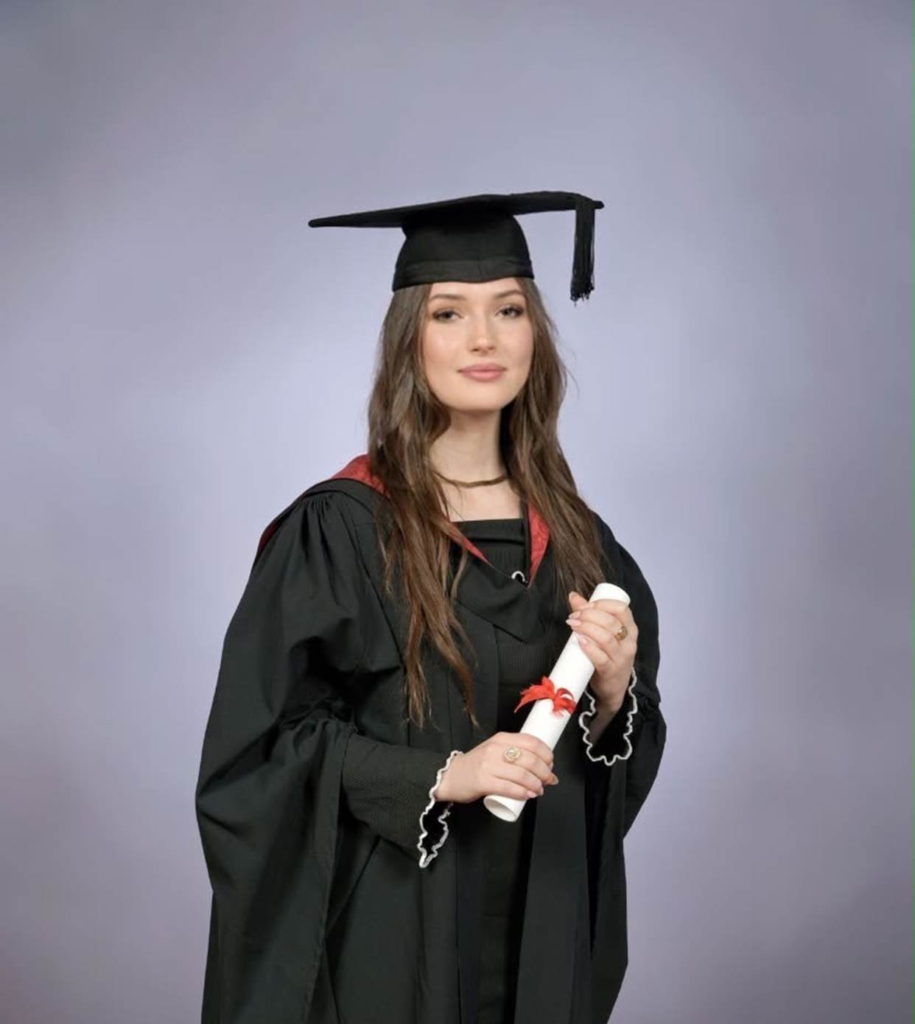
Amelia Sharman,
Residential Worker,
Eden House Approved Premises
In my role, I am responsible for managing risk and public protection, while also supporting the rehabilitation and reintegration of women into the community through supervision, structure and access to appropriate interventions. Having worked across both the male and female estate, my practice is informed by experience in a range of AP settings. This has provided me with a valuable perspective on how men and women experience the criminal justice system in practice, and where that experience often diverges from what research tells us is most effective.
The symposium provided a valuable opportunity to engage with both research and frontline perspectives, bringing together practitioners, academics and those with lived experience who are committed to improving outcomes for women and girls in the criminal justice system.
A key theme throughout the day was the extent to which many of the recommendations from the Corston Report remain unimplemented. It was striking to hear the reflection from some delegates that, “20 years on from Corston, we still don’t have anything specific for justice-involved women.” This reinforced the ongoing gap between evidence and practice, despite a strong and growing body of research identifying what is effective in supporting women.
At the same time, there are indications of renewed national focus on progressing Corston’s vision. The Female Offender Strategy (2018) and the Female Offender Delivery plan (2022 to 2025) set out clear priorities around reducing the use of short custodial sentences, increasing diversion from the criminal justice system, and strengthening community-based provision for women. More recently, the establishment of the Women’s Justice Board and its 2026 recommendations signal a stronger system-wide commitment to reducing the number of women in custody and addressing the underlying drivers of offending through early intervention and trauma-informed, gender-responsive approaches. However, while these developments demonstrate clear strategic intent, discussions at the symposium highlighted the ongoing challenge of translating policy into consistently resourced and embedded practice across the system.
What stood out most to me was the strength of connection between lived experience, research and frontline delivery. Contributors consistently emphasised the importance of collaboration between sectors and the need to ensure that policy and practice are informed by the voices of the women they are intended to support.
I was particularly encouraged by Lady Edwina Grosvenor’s contribution on the work at Hope Street, a community-based residential model for women. The model’s focus on reducing the number of women receiving custodial sentences and preventing unnecessary maternal separation aligns closely with what we know about the impact of short sentences and the importance of maintaining family ties. Hearing that 100% of women who had stayed at Hope Street at the time of the symposium reported feeling safe was particularly powerful and reinforced the importance of trauma-informed environments.
The contribution from Kate Fraser, Still I Rise magazine, a platform amplifying the voices of women in the CJS, also resonated strongly. The emphasis on voice over literacy highlighted the importance of empowerment, creativity and self-expression as central to supporting women to rebuild identity and agency. This is particularly relevant in AP settings, where opportunities for meaningful engagement play a significant role in supporting desistance.
The symposium provided a valuable space to reflect not only on progress made, but on the significant work that remains. Discussions highlighted the reduction in women’s centres linked to funding pressures, the continued use of short custodial sentences, and the need to further embed education, creativity and relational approaches as core components of support for women.
While the need for change is clear, it was equally encouraging to hear about the innovative and impactful work already taking place across the country. The day left me with a renewed sense of optimism and a clear message that closer collaboration between agencies, alongside sustained investment and commitment, will be essential in achieving meaningful and lasting change for women in the criminal justice system.
Going forward, many of the themes explored on the day of the symposium including the role of AP’s, the concept of enabling environments, and the tension between risk management and meaningful rehabilitation are being developed further in a forthcoming special edition of the Probation Journal (September 2027). The article, Meaning Created and Lost: A Multi-Dimensional Perspective of Women’s Approved Premises, co-authored by Claire Rushton, Kerry Ellis-Devitt and myself, draws on both research and frontline experience to explore how women’s APs can better support long-term outcomes for the women we work with. I would encourage readers to look out for the publication and engage with the wider journal edition.
Alongside this, Claire and I are also working on the co-development of APSN (Approved Premises Staff Network) with a current focus on the Female APSN which aims to create a dedicated space for practitioners across the female AP estate to connect, share knowledge and strengthen a collective, gender-responsive approach to our work. In a system where practice can often feel fragmented, this is an important step towards building consistency, confidence and a stronger professional voice for those working directly with women within the CJS.
These developments reflect the wider message from the symposium, we have the evidence, examples of effective practice, and a workforce committed to making a difference. The task now is to ensure that this knowledge is translated into consistent, well-supported practice across the system, so that all women can benefit from approaches that recognise their distinct needs and experiences.
Ultimately this work is about more than policy or provision, it is about people. It is about creating environments where women feel safe, heard and supported to build meaningful, sustainable futures.
There is hope for our women, grounded not only in ambition, but in our collective willingness to listen, to learn, and to act.
Blogs you might like:
Rachel Gibson and Ruth Parkes reflect on interesting and insightful joint HMPPS Insights and Prison Service Journal Event
Published on August 12, 2026
Read full articleEver wondered what happens when someone dies in custody or shortly after release? Or when a prison fails to respond properly to a prisoner’s complaint?
Published on July 22, 2026
Read full articleSarah Mcknight, Deputy Director of Employment, Skills and Education, HMPPS, reflects on our hugely successful, interesting and informative event.
Published on July 2, 2026
Read full article